

RP- AI Vol.2 Review 2026 + OTO's Coupon + Free Bonus
RP-AI Vol.2 Review 2026 — Is this AI-powered KDP book creation and publishing platform worth buying? In this review, we’ll look at what RP-AI Vol.2 (Royalty Profits AI Vol. 2) does, how it works, its real costs, pricing, OTOs, coupon discounts, pros and cons, and the exclusive bonuses you can get when purchasing through our link.
Special Offer: RP-AI Vol.2 is currently being promoted with a $27 launch price for the Basic License, while the Commercial License is listed at $37. The launch pricing is expected to increase, so the final price and available upgrades should be verified on the checkout page before purchasing.
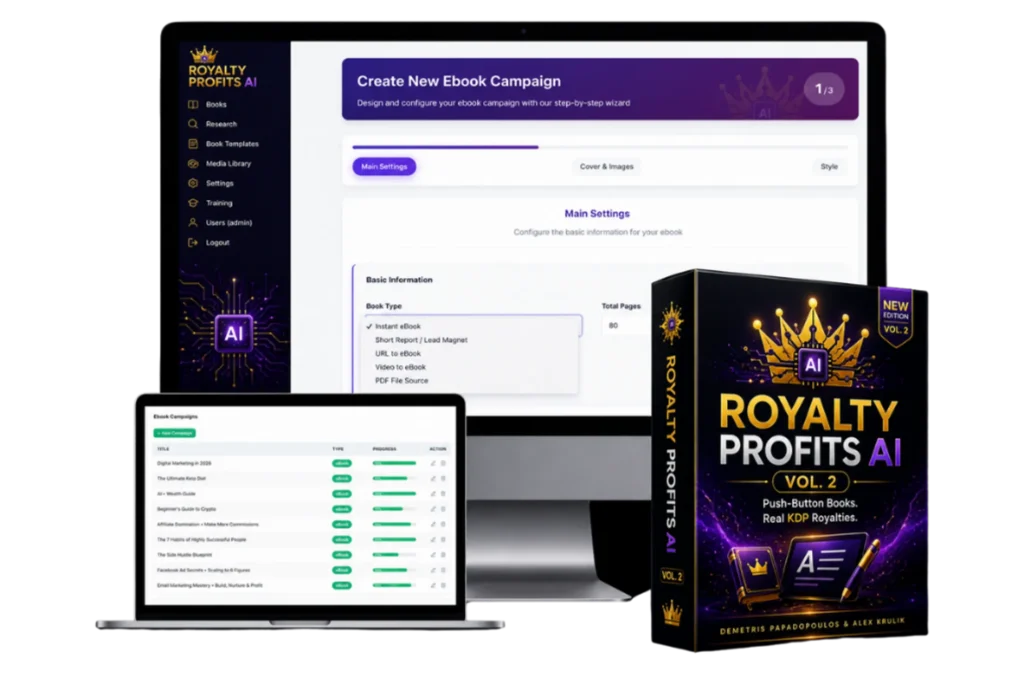
RP-AI Vol.2 is designed to streamline the process of creating books for Amazon KDP, bringing manuscript creation, covers, illustrations, descriptions, metadata, formatting, and PDF/EPUB generation into one browser-based workflow.
If you’re looking for a faster way to turn book ideas into finished publishing assets, RP-AI Vol.2 may be worth considering—but it’s important to understand what the $27 purchase actually includes, what the optional OTOs add, and the separate AI API costs you may encounter.
>>> Get EarlyBird Discount + Bonus Bundle <<<
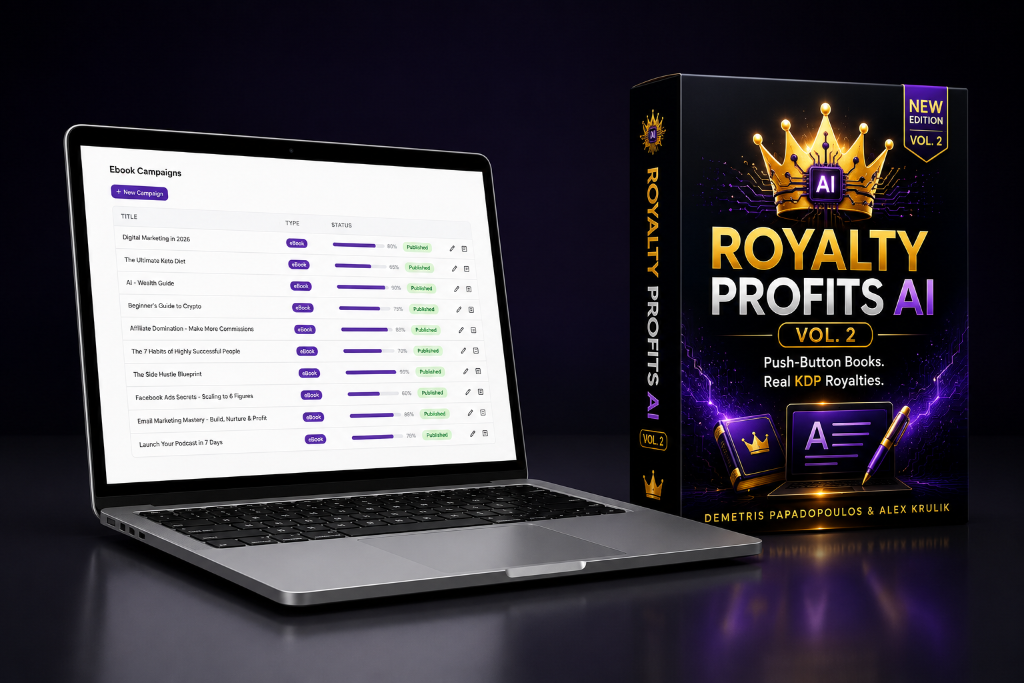

RP-AI Vol.2 Review 2026 – Overview

| Creator | dpapa |
| Product | RP-AI Vol.2 |
| Launch Date | 2026-Aug-23 |
| Launch Time | 01:00 EST |
| Official website | CLICK HERE |
| Front-End Price | $27 |
| Bonuses | Yes, Huge Software Bonuses >>Check Below<< |
| Skill | All Levels |
| Guarantee | 30-Day Money Back Guarantee |
| Niche | AI Tool |
| Support | Еffесtіvе Rеѕроnѕе |
| Recommend | Highly recommend! |
Above is the complete product overview of the RP-AI Vol.2, Now let’s come down to the next section of RP-AI Vol.2 Review; where I will give you detailed info about its features, pricing & upgrade details.
RP-AI Vol.2 Review 2026 – What is it?
RP-AI Vol.2, also known as Royalty Profits AI Vol. 2, is an AI-powered publishing platform designed to help users create books and other publishing assets with less manual work. The platform is primarily positioned around AI-assisted book creation and Amazon KDP publishing.
Instead of starting from a blank document and handling every part of the publishing process yourself, RP-AI Vol.2 aims to bring several tasks into one workflow—from developing a book idea and generating content to formatting and preparing publishing materials.
What Can RP-AI Vol.2 Do?
The platform is promoted around several AI-assisted publishing features, including:
- AI book creation for developing complete books from an idea or topic.
- Book cover creation to help users produce professional-looking covers.
- Book formatting for preparing content for publishing.
- KDP-focused publishing tools for people interested in Amazon Kindle Direct Publishing.
- Character and world libraries for maintaining consistency across books and series.
- Translation capabilities for creating books in different languages.
- Campaign management to organize multiple publishing projects.
- Templates and publishing resources designed to speed up the overall workflow.
Who Is RP-AI Vol.2 Designed For?
RP-AI Vol.2 may be particularly interesting for:
1. Aspiring KDP publishers
People who want to experiment with Amazon KDP but don’t want to manually handle every stage of book production.
2. Content creators
Creators who regularly need written content and want to use AI to accelerate the production process.
3. Self-publishers
Authors who want additional tools for outlining, writing, formatting, covers, and publishing preparation.
4. Freelancers and agencies
Users interested in creating books or publishing assets for clients may find the commercial/agency-oriented options more relevant.
Is RP-AI Vol.2 an AI Writer?
Not exactly. That’s an important distinction.
It’s better to think of RP-AI Vol.2 as an AI-assisted publishing system rather than simply another AI writing tool. Its broader selling proposition is bringing multiple parts of the book-production workflow together.
That distinction is also what makes it potentially interesting for KDP users: the objective isn’t merely to generate text, but to help move from idea → book → publishing-ready assets more efficiently.
My Take
If you’re considering RP-AI Vol.2, I wouldn’t judge it solely on whether its AI can write a book. There are already numerous AI writing tools available.
The more important question is:
Can RP-AI Vol.2 actually save enough time across the entire publishing workflow to justify its cost?
That’s what I’d focus on in the rest of your RP-AI Vol.2 Review 2026—including its features, pricing, OTOs, bonuses, pros and cons, ease of use, and whether it’s suitable for someone starting with KDP.
Note: AI tools and vendor offers can change over time, so features, pricing, bonuses, and upgrade options should be verified against the current official offer before publishing your final review.

RP-AI Vol.2 Review 2026 – Features and Benefit
Royalty Profits AI Vol.2 is positioned as a complete AI-assisted publishing platform rather than simply an AI writing tool. According to the official product page, the Vol.2 release adds a redesigned book-creation engine, campaign management, author profiles, character and world libraries, translation, and KDP-ready PDF/EPUB export.
🚀 1. AI-Powered Book Creation
One of the main features of RP-AI Vol.2 is its AI-powered Book Creation Engine. Users can select from 25+ book types, provide a topic, and let the system generate the book structure and content.
Potential benefit: This can significantly reduce the amount of manual writing and outlining required, particularly for users who are new to self-publishing.
⚡ 2. Faster Publishing Workflow
The platform claims that a complete book can be generated in under six minutes, including content generation, formatting, and cover creation. This is a vendor claim rather than a guarantee of results, but it illustrates the product’s focus on speed.
Benefit: Instead of spending days or weeks on the initial production process, users can potentially move through book creation much faster.
📚 3. 25+ Book Types
RP-AI Vol.2 supports a range of book formats and genres rather than restricting users to a single type of publication.
Benefit: This gives publishers more flexibility to experiment with different niches and publishing ideas without needing separate software for every project.
🎨 4. AI Cover Design
The platform includes AI-assisted cover creation, with the official page stating that three AI image models are available for cover generation.
Benefit: Users can create book-cover concepts without hiring a designer for every project, potentially lowering production costs and speeding up the publishing workflow.
📝 5. Automatic Formatting & PDF/EPUB Export
RP-AI Vol.2 can generate KDP-ready PDF and EPUB files, according to the vendor.
Benefit: Formatting is one of the more technical parts of self-publishing, so automating this stage can make the process easier for beginners.
📊 6. Campaign Dashboard
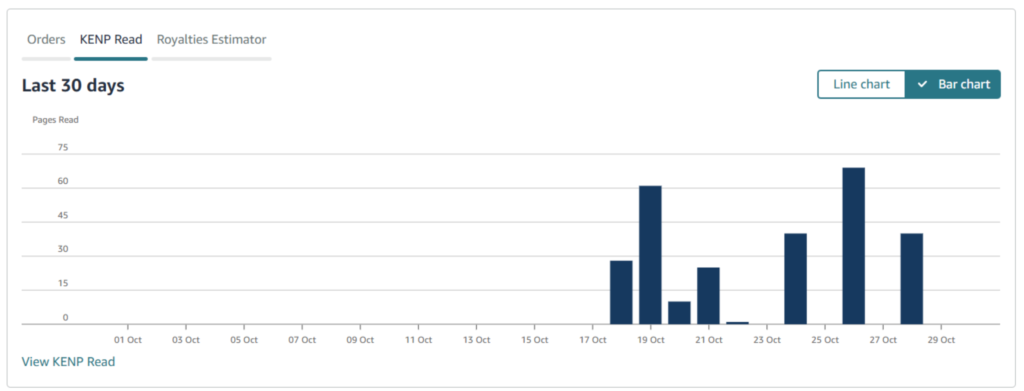
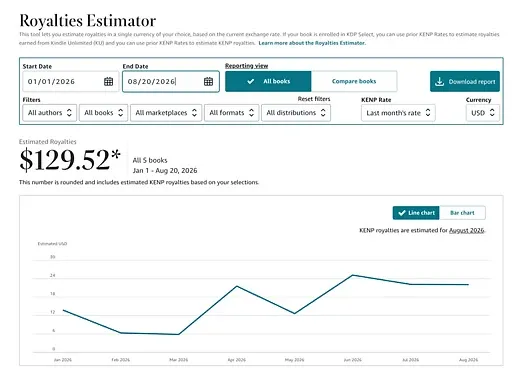
A new Campaign Dashboard was introduced in Vol.2. It is designed to give publishers a central place to manage books and track information such as drafts, sales, royalties, and KENP reads.
Benefit: Instead of managing different projects separately, publishers can organize their publishing activity from one dashboard.
👤 7. Default Author Profile
Users can set their author name and bio once, after which the information can be reused for new books.
Benefit: This is a small feature, but it can eliminate repetitive setup when creating multiple books.
🧑🎨 8. Characters & Worlds Libraries
One of the more interesting Vol.2 additions is the ability to create reusable Characters and Worlds. The system is designed to maintain consistency across books, images, and recurring series.
Benefit: This could be particularly useful for authors creating fiction series or books with recurring characters and settings.
🌎 9. Multi-Language Translation
RP-AI Vol.2 includes a translation feature that the vendor says can translate books into multiple languages, with the sales page stating support for up to 12 languages.
Benefit: Translating existing content can potentially allow publishers to explore additional language markets without recreating an entire book from scratch.
🏭 10. Batch Book Creation
The Professional Suite adds a Book Factory designed to generate multiple books from a single niche research result, along with automatic book-series generation.
Benefit: This feature is more relevant to experienced publishers, agencies, and users who want to build a larger catalog rather than publish only one or two books.
🔍 11. Research & Publishing Tools
The optional Research Module includes tools for book-title research, popular-book research, keyword/category research, competitor analysis, trending topics, book concepts, and audience profiling.
Benefit: Research can help users make more informed decisions about what to create before investing time in production.
📈 12. Reader List-Building Tools
One of the later upgrades introduces a Reader Magnet System, which can create bonus content, landing pages, QR codes, and email integrations designed to turn book readers into subscribers.
Benefit: Instead of treating each book sale as a one-time transaction, publishers can potentially build an email audience that can be marketed to when future books are released.
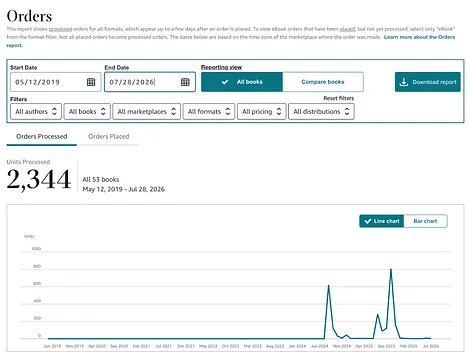
RP-AI Vol.2 Review 2026 – How Does It Work?
RP-AI Vol.2 (Royalty Profits AI V2) is designed to bring several parts of the AI-assisted book publishing process into one workflow. Rather than using separate tools for writing, book creation, covers, formatting, and publishing preparation, the platform aims to let users manage these tasks from a centralized system. The official site also describes campaign-management functionality across multiple pages for launches, offers, referrals, and follow-ups.
Step 1: Choose Your Book Idea
The process starts with deciding what type of book you want to create. You can select a suitable book format or niche and provide the basic information needed to guide the AI.
The important point here is that your input still matters. AI can accelerate production, but choosing a viable topic, understanding the target reader, and checking the quality of the final book remain important.
Step 2: Let the AI Build the Book
Once the basic information is provided, RP-AI Vol.2 uses its AI-powered workflow to help develop the book’s content.
Instead of beginning with a completely blank document, the system is designed to assist with elements such as:
- Book structure
- Chapters
- Written content
- Titles and related publishing elements
- Formatting
- Book presentation
This can potentially reduce the amount of repetitive work involved in creating a first draft.
Step 3: Create the Book’s Visual Elements
RP-AI Vol.2 also incorporates AI-assisted visual creation, including book-cover generation.
This means users don’t necessarily need to move immediately between multiple platforms to create the written content and then design a basic cover concept.
The benefit: a faster and more centralized publishing workflow.
Step 4: Review and Customize the Content
This is a step I would not skip.
AI-generated content should be reviewed before publishing. You should check:
- Accuracy
- Grammar and readability
- Repetition
- Originality
- Formatting
- Factual claims
- Overall reader value
The goal shouldn’t be to publish whatever the AI produces. Instead, use RP-AI Vol.2 as a production assistant and add your own editorial judgment.
Step 5: Prepare the Book for Publishing
After the content and visual elements are ready, the system helps prepare the book for publishing.
The vendor positions RP-AI Vol.2 around the Amazon KDP/self-publishing workflow, with tools intended to make the transition from an idea to a finished publishing asset easier.
This is potentially one of the biggest advantages for beginners because formatting and preparing a book for publication can otherwise involve several separate steps.
Step 6: Manage Your Publishing Campaign
Another part of the Vol.2 system is its campaign-management functionality. The official website describes campaign pages covering areas such as launches, offers, referrals, prelaunch follow-ups, and account access.
For someone managing multiple books or publishing campaigns, having these functions organized within one ecosystem could make the overall workflow easier to manage.
Step 7: Expand Your Publishing Workflow
Once you understand the basic process, you can potentially use the platform for additional books, series, niches, or publishing projects.
RP-AI Vol.2 Review 2026 – My Experience Using It?
My First Impression
The first thing that stood out to me was the all-in-one approach.
Instead of jumping between an AI writing tool, a separate cover generator, formatting software, and different publishing resources, RP-AI Vol.2 puts many of these functions into one platform.
The interface is clearly aimed at people who want to simplify the publishing process rather than learn complicated technical software.
Creating a Book
The basic workflow starts with choosing a topic and book type. RP-AI Vol.2 supports 25+ book types, after which the AI assists with the book structure, chapters, content, formatting, and other publishing elements.
I particularly like this approach for beginners because the hardest part for many new publishers isn’t necessarily writing—it’s knowing what steps come next.
That said, I wouldn’t recommend simply generating a book and immediately uploading it to Amazon.
I would still review the manuscript, improve the writing, verify information, remove unnecessary AI-generated material, and make sure the final product provides genuine value to readers.
The Cover Creation Feature
The built-in cover creation is another useful part of the workflow.
The vendor says Vol.2 includes three AI image models for cover creation.
For someone just starting out, this can eliminate the need to immediately pay a designer for every book.
However, I would still compare the generated cover against successful books in the same niche. AI-generated doesn’t automatically mean marketable.
Formatting Was One of the More Interesting Parts
Formatting can become surprisingly time-consuming when you’re publishing multiple books.
RP-AI Vol.2 is designed to generate KDP-ready PDF and EPUB files, which can reduce some of the technical work involved in preparing a book.
This is one of the areas where I think the platform provides more practical value than simply asking ChatGPT to write a manuscript.
Characters & Worlds
For fiction publishers, the Characters and Worlds libraries are particularly interesting.
The platform is designed to maintain recurring characters and world details across books, text, interior images, and covers.
If you’re planning a series, this could be considerably more useful than generating every book from scratch.
Translation
Vol.2 also includes a translation feature designed to help users adapt books for additional languages. The vendor says the system supports translation into up to 12 languages.
I’d consider this more of a scaling feature than a beginner feature. You should first establish that your original book is high quality before translating it into multiple markets.
What I Liked Most
✔ All-in-one workflow
Writing, formatting, covers and publishing preparation are brought together.
✔ Beginner-friendly concept
You don’t need to be an experienced author or designer to understand the basic workflow.
✔ Fast production
The vendor claims books can be generated in under six minutes. That’s impressive from a production standpoint, although creating a good book still requires human review.
✔ KDP-oriented output
PDF and EPUB export makes the platform more relevant to self-publishers.
✔ Useful Vol.2 additions
The Campaign Dashboard, Author Profile, Characters, Worlds and Translation features make the second version broader than a basic AI book generator.

Pros and Cons
✅ Pros of RP-AI Vol.2
1. All-in-one AI publishing workflow
RP-AI Vol.2 is designed to combine several publishing tasks in one platform, including AI-assisted book creation, cover generation, formatting, and publishing preparation. This can reduce the need to switch between multiple tools.
2. Faster book creation
The platform is built around speeding up the process of turning a book idea into a finished publishing asset. This can be particularly useful for users who struggle with starting from a blank page.
3. Beginner-friendly approach
You don’t necessarily need advanced writing, design, or formatting skills to get started. The guided workflow can make AI-assisted publishing less intimidating for newcomers.
4. Multiple book types
The platform supports a broad range of book formats, giving users the opportunity to experiment with different publishing ideas rather than being restricted to one type of content.
5. AI cover creation
Having cover-generation functionality inside the same ecosystem can save time and potentially reduce the need for separate design software.
6. KDP-focused functionality
For people interested in Amazon KDP, the publishing-oriented workflow is one of RP-AI Vol.2’s strongest selling points. It is more specialized than using a general-purpose AI chatbot alone.
7. Characters and Worlds libraries
These features can be particularly useful for fiction writers who want consistency across multiple books in a series.
8. Potential for scaling
Users who intend to create multiple books may benefit more from the platform than someone who only wants to create a single book. The workflow is designed with repeated publishing projects in mind.
9. Translation capabilities
The ability to adapt content for additional languages can potentially give publishers more opportunities to explore international audiences.
❌ Cons of RP-AI Vol.2
1. AI-generated content still needs human editing
This is probably the biggest limitation. Generating a book quickly doesn’t mean the book is automatically high quality. Editing, proofreading, fact-checking, and improving the reader experience are still important.
2. It doesn’t guarantee book sales
Using RP-AI Vol.2 doesn’t automatically create demand for a book. Choosing the right niche, researching competition, creating a compelling cover, optimizing the listing, and marketing the book remain your responsibility.
3. Learning curve for beginners
Although the platform is designed to simplify publishing, users who are completely new to KDP may still need time to understand publishing terminology, categories, keywords, formatting, and Amazon’s requirements.
4. More features can mean more complexity
The large number of tools and options can be useful, but beginners may initially find it difficult to determine which features they actually need.
5. AI output quality can vary
The quality of an AI-generated manuscript depends heavily on the topic, instructions, editing, and review process. Users shouldn’t assume that every generated book will be publication-ready.
6. Additional costs may apply
Depending on the features used, users may encounter additional expenses such as AI/API usage or optional upgrades. It’s important to understand the complete cost before committing to a larger publishing workflow.
7. Not a substitute for publishing strategy
RP-AI Vol.2 can potentially accelerate production, but it doesn’t replace market research or business strategy. Publishing more books isn’t necessarily better if those books aren’t targeting genuine reader demand.
Who should use it?
RP-AI Vol.2 is primarily suited to people who want to simplify and accelerate the AI-assisted book publishing process, particularly those interested in Amazon KDP. However, it isn’t necessarily the right fit for everyone.
👤 1. Aspiring Amazon KDP Publishers
If you’re interested in starting a KDP publishing business but don’t know where to begin, RP-AI Vol.2 could be worth considering.
It can help bring several tasks—such as book creation, formatting, cover generation, and publishing preparation—into a more centralized workflow.
Best for: Beginners who want to learn while using AI to speed up production.
✍️ 2. Self-Published Authors
Authors who already have book ideas but don’t want to spend excessive time on repetitive production tasks may find the platform useful.
Instead of handling every stage manually, you can use AI assistance for parts of the creation and formatting process while maintaining control over the final manuscript.
Best for: Independent authors who want to spend more time on ideas and editing and less time on repetitive tasks.
📚 3. Fiction Writers Creating Book Series
The Characters and Worlds functionality makes RP-AI Vol.2 particularly interesting for writers working on recurring characters, fictional settings, or multi-book series.
Maintaining consistency across multiple books can otherwise become difficult when working with generic AI tools.
Best for: Fiction authors, children’s-book creators, and series publishers.
🏭 4. High-Volume Publishers
If your goal is to create multiple books rather than publish just one, RP-AI Vol.2 becomes more interesting.
Its broader workflow and optional batch-oriented features can potentially help reduce repetitive production work.
Best for: Publishers building a larger catalog of books.
💼 5. Freelancers & Publishing Service Providers
People who create books or publishing assets for clients may also find the platform useful, particularly when commercial or agency-oriented licensing options are appropriate.
For example, a freelancer could potentially use AI-assisted tools to streamline parts of a client’s book-production workflow.
Best for: Freelancers, agencies, and publishing-service providers.
🌎 6. Publishers Interested in Multiple Languages
The translation functionality can be useful for publishers who want to adapt existing content for additional language markets.
However, translation should always be reviewed carefully for accuracy, cultural context, and natural readability.
Best for: Publishers looking to expand an existing catalog internationally.
🤖 7. AI Enthusiasts Interested in Publishing
If you already use AI tools and want to explore how AI can be applied to self-publishing, RP-AI Vol.2 offers a more specialized alternative to using a general-purpose chatbot alone.
Best for: AI users who want an integrated publishing workflow.
CONTACT US WITH CONFIDENCE
Price and Evaluation
When evaluating RP-AI Vol.2, the price is one of its more attractive aspects. The current launch offer provides several licensing and upgrade options, so the right choice depends largely on whether you simply want to experiment with AI-assisted publishing or plan to build a larger KDP operation.
💰 RP-AI Vol.2 Pricing
According to the current official offer, the Basic License is $27, with the vendor stating that the launch price is scheduled to increase to $47. The Commercial License is currently $37, also with a stated future price of $47. These are presented as one-time payments rather than monthly subscriptions.
| Package | Current Price | Stated Future Price | Best For |
|---|---|---|---|
| Basic License | $27 | $47 | Beginners & individual publishers |
| Commercial License | $37 | $47 | Freelancers, agencies & client work |
| Professional Suite (OTO 1) | $47 | $197 reference price | Advanced KDP publishing |
| Research Module (OTO 2) | $37 | $67 reference price | Niche & market research |
| Reader Magnet System (OTO 3) | $37 | $297 reference price | Building an email list |
| eBook Genius (OTO 4) | $27 | $297 reference price | Audiobooks & video content |
| VIP All-Access | $247 | — | Users wanting the complete funnel |
The OTO prices are optional upgrades, so you don’t need to purchase every upgrade to use the core RP-AI Vol.2 product. The official pages currently list the Professional Suite at $47, Research Module at $37, Reader Magnet System at $37, and eBook Genius at $27.
My Final Verdicts On RP-AI Vol.2 Review
After evaluating RP-AI Vol.2 from the perspective of features, usability, publishing workflow, pricing, and practical value, my overall impression is positive—but with realistic expectations.
RP-AI Vol.2 is most interesting because it goes beyond being a simple AI writing tool. The platform is built around an AI-assisted publishing workflow and includes functionality for book creation, cover creation, campaign management, and other publishing-related tasks. The official site also currently lists multiple optional upgrades and a VIP offer.
⭐ What Makes RP-AI Vol.2 Stand Out?
The biggest advantage is convenience.
Instead of piecing together several different tools for writing, designing, formatting, and managing publishing projects, RP-AI Vol.2 attempts to bring many of those functions together.
For someone getting started with KDP or AI-assisted publishing, that can potentially reduce both the learning curve and the amount of repetitive work.
👍 What I Like
- AI-assisted book creation
- Publishing-focused workflow
- Cover creation capabilities
- Tools designed for managing multiple projects
- Features aimed at authors and self-publishers
- Potentially useful for scaling a publishing catalog
- Relatively accessible entry point compared with buying several separate tools
👎 What I Don’t Like
The biggest limitation is expectations.
RP-AI Vol.2 can help you create and organize publishing assets, but it cannot guarantee book sales, rankings, or royalties.
You’ll still need to do the important human work:
- Research profitable niches
- Choose topics with genuine reader demand
- Edit and fact-check AI-generated content
- Create valuable, original books
- Optimize KDP listings
- Follow Amazon’s publishing policies
- Market your books
In other words, the software can accelerate production, but it doesn’t replace publishing strategy.
💰 Is RP-AI Vol.2 Worth It?
For someone genuinely interested in AI-assisted publishing, yes, I think it’s worth considering, particularly if you want more than a basic AI writing assistant.
I would recommend starting with the core offer rather than automatically purchasing every OTO. Once you understand the platform, you can determine whether a particular upgrade solves a real need in your publishing workflow.
🏆 My Final Rating
| Category | Rating |
|---|---|
| Features | ⭐⭐⭐⭐⭐ |
| Ease of Use | ⭐⭐⭐⭐½ |
| Publishing Workflow | ⭐⭐⭐⭐½ |
| Value for Money | ⭐⭐⭐⭐½ |
| Scalability | ⭐⭐⭐⭐⭐ |
| Beginner Friendliness | ⭐⭐⭐⭐½ |
| Overall | 4.5/5 ⭐ |